Parking in Cape Town is mostly straightforward — but it works differently from what many visitors are used to. City-centre bays are managed by parking marshals rather than meters, the V&A Waterfront has its own paid parking garages, beach parking is free but fiercely contested in summer, and almost everywhere there's a car guard who'll expect a tip. Here's how it works in each part of the city, plus tips for big SUVs and people carriers.
City centre bays and paying for parking
In the Cape Town CBD and parts of surrounding suburbs, on-street parking is paid during business hours on weekdays and Saturday mornings. Instead of meters, uniformed parking marshals with handheld devices log your car when you arrive and collect payment when you leave. Rates are charged in short time blocks and there's usually a maximum stay, so check the signs on the street.
- Find the marshal (they normally find you) when you park, and pay when you return. Ask for a receipt if you want one.
- Outside paid hours — evenings, Saturday afternoons and Sundays in most streets — parking is free, though informal car guards often work the busier streets.
- Never park on a yellow line, in a bus lane, in front of a driveway or in a loading zone. Towing and fines are enforced.
- For longer stays, multi-storey parking garages across the CBD are more convenient and secure. Most issue a ticket on entry and take card payment at a pay station or the exit.
Busy areas such as Bree Street, Kloof Street and the Bo-Kaap fill up fast on Friday evenings and weekends. If you're heading out for dinner, a short ride-hail trip from your hotel can be easier than circling for a bay.
V&A Waterfront parking
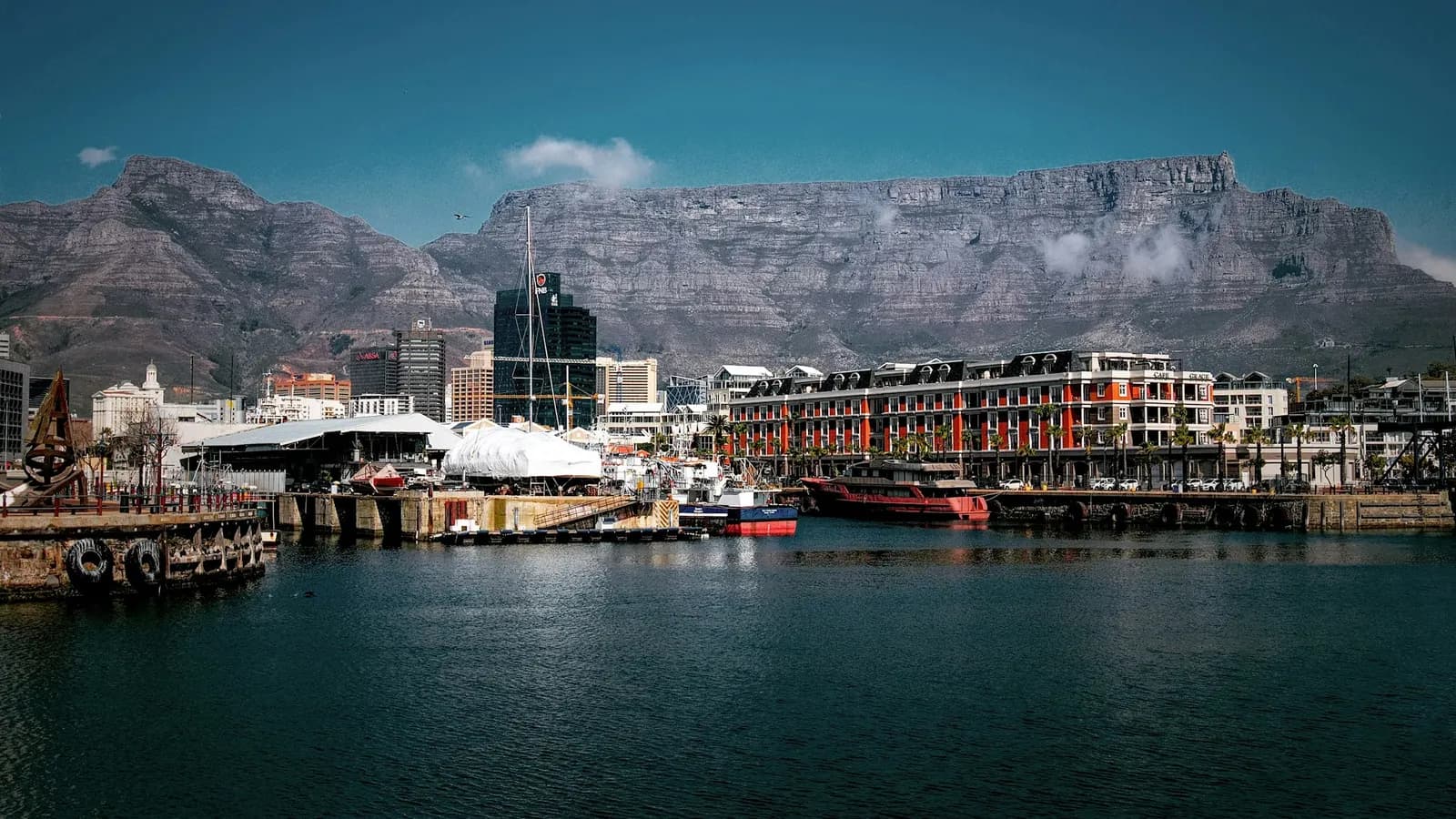
The V&A Waterfront has several large parking garages and open-air car parks spread across the precinct, including extensive parking under and next to the Victoria Wharf shopping centre. All are paid, with a ticket taken on entry and payment by card or cash at pay stations before you return to the car.
- Follow the signs for the parking area closest to where you're going — the precinct is large, and the Silo District, Clock Tower and Victoria Wharf are a good walk apart.
- Many restaurants and retailers offer parking validation or discounted rates. Ask when you pay the bill.
- Evenings and summer weekends are busy. Arrive before 10:00 or after 14:00 on Saturdays to avoid queues at the entrances.
- Robben Island ferries leave from the Nelson Mandela Gateway at the Clock Tower — park nearby and allow time to get through the queue.
Beach parking: Camps Bay, Clifton and Muizenberg
Camps Bay
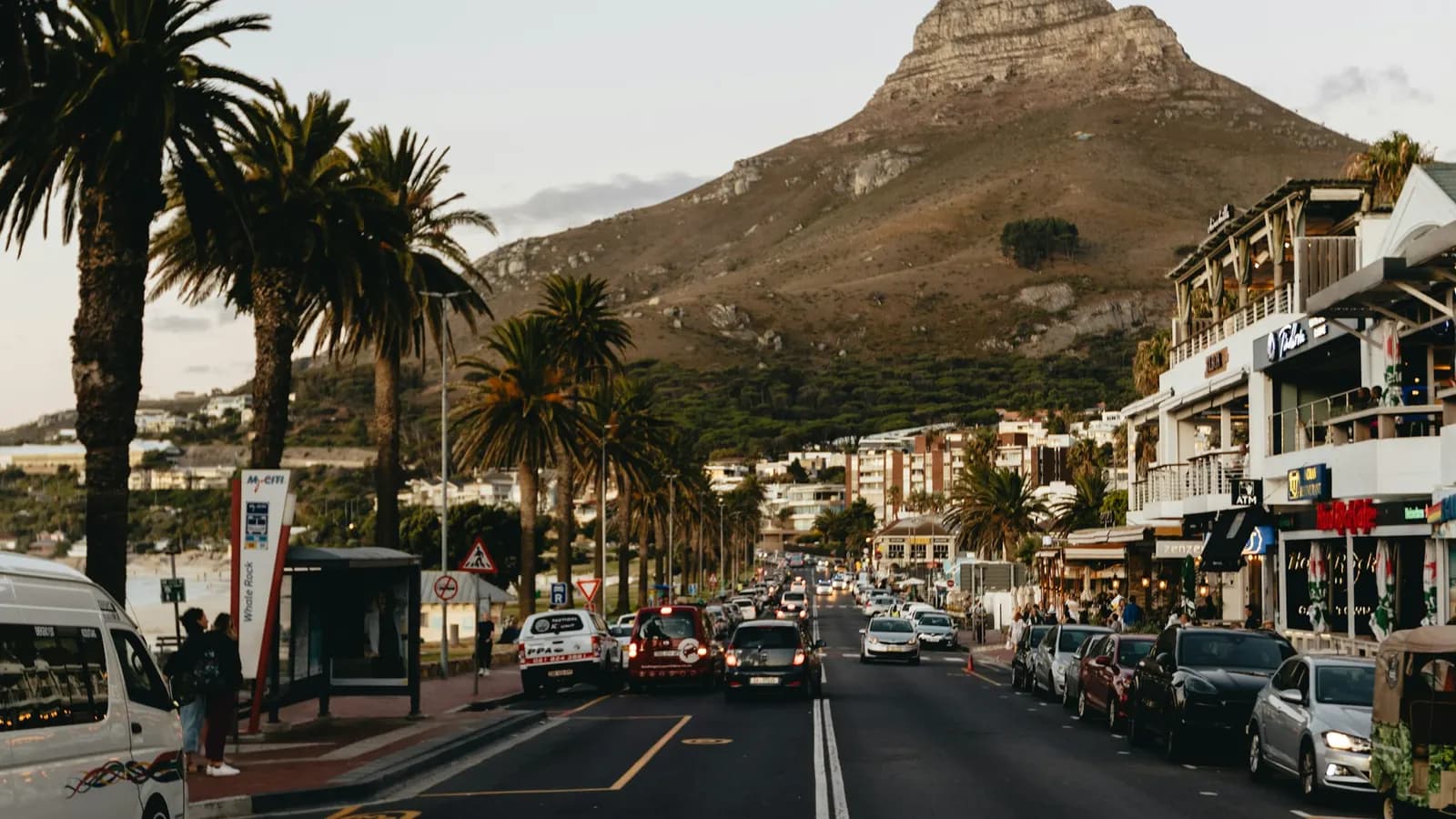
Parking runs along Victoria Road and the side streets behind the beachfront. It's generally free but extremely busy on summer weekends and public holidays — expect to circle. Arrive before 10:00, or come in the late afternoon when the morning crowd leaves. Car guards work the whole strip.
Clifton
Clifton's four beaches sit below Victoria Road, reached by long flights of steps. Roadside parking above the beaches is very limited, and in peak season it fills up early in the morning. If you're staying nearby, walk; otherwise consider a ride-hail drop-off.
Muizenberg and the False Bay coast
Muizenberg has beachfront parking areas near the surf schools and the colourful beach huts, and is much easier than the Atlantic side. Kalk Bay harbour parking is tight on weekends; St James and Fish Hoek have their own beachfront parking.
Table Mountain cableway and other attractions
The Table Mountain Aerial Cableway lower station is on Tafelberg Road. Parking is along the side of the road itself, and on busy days the line of parked cars stretches a long way downhill — you may walk 10–15 minutes uphill to the station. Get there early, or take a ride-hail trip so you're not worried about parking at all. If the cableway closes for wind, Tafelberg Road can get congested as everyone leaves at once.
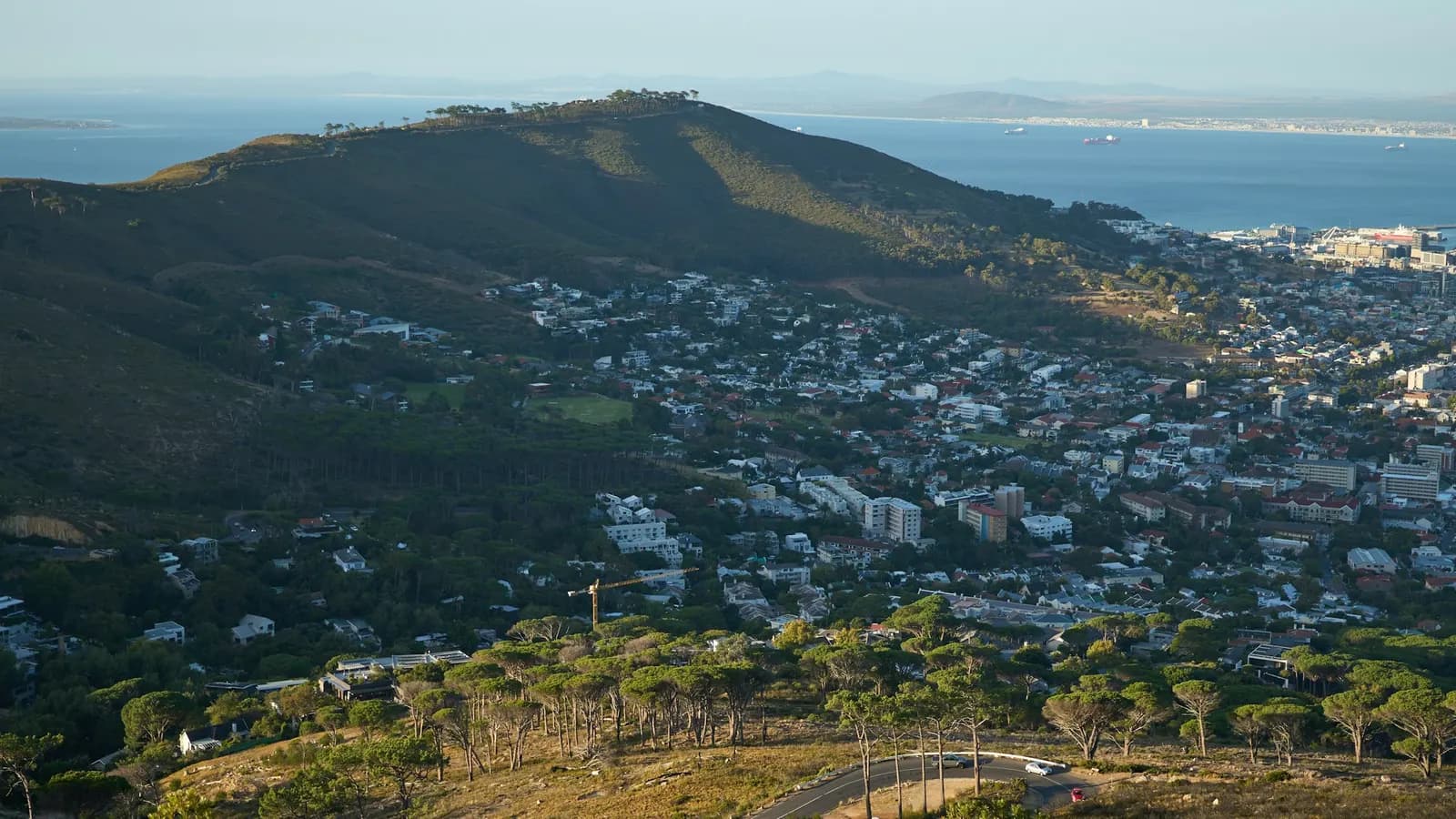
- Lion's Head and Signal Hill — roadside parking near the trailheads. Very busy at sunset and full-moon hikes; don't leave anything visible.
- Kirstenbosch National Botanical Garden — dedicated car parks at the main gates; arrive early for summer sunset concerts.
- Constantia wine estates — free on-site parking; the easiest parking in the city.
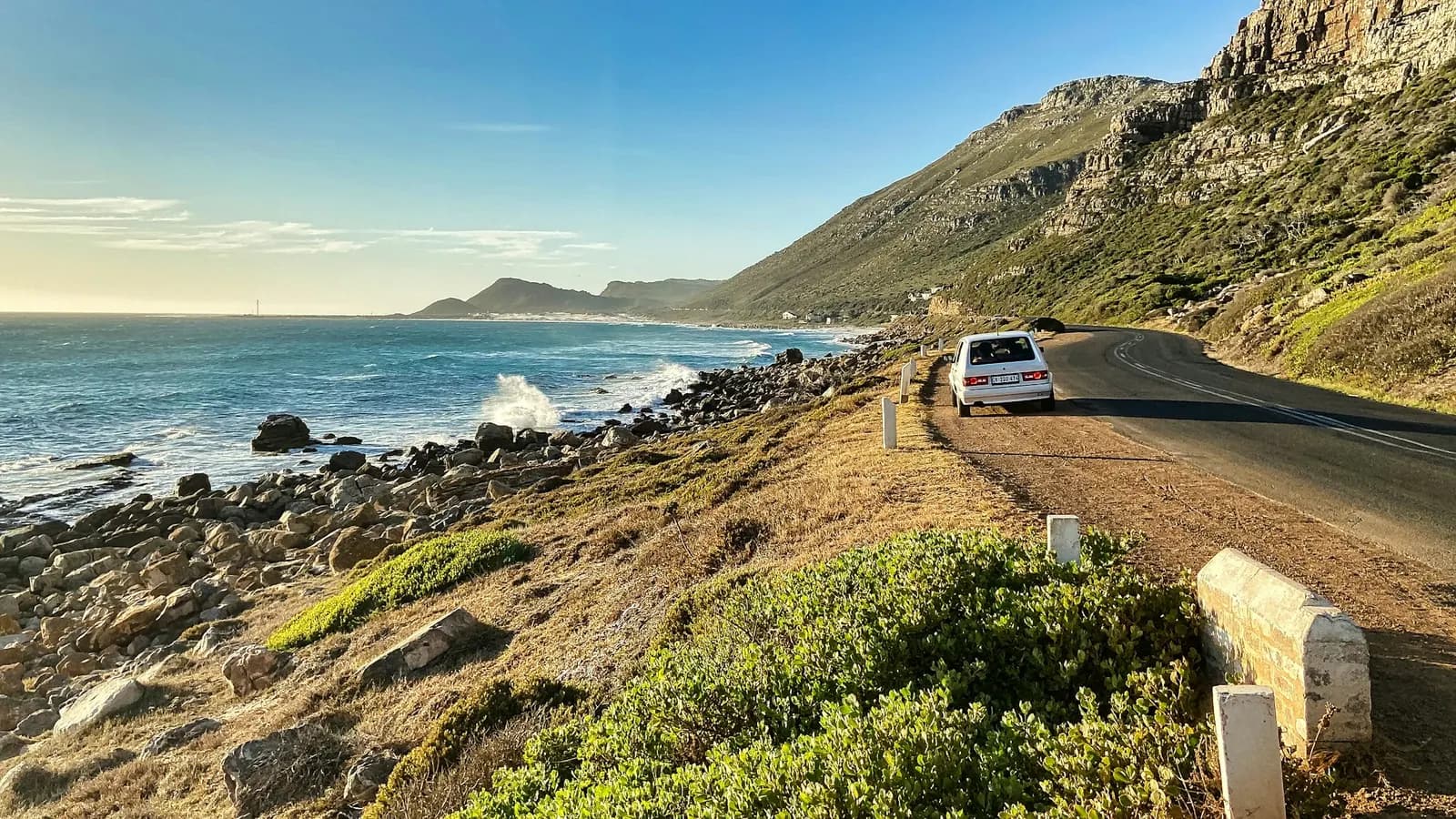
- Boulders Beach and Cape Point — park in the official car parks; at Cape Point keep windows closed because of baboons.
Car guards: how they work
Informal car guards — usually in a reflective bib — work most shopping streets, beaches and restaurant strips. They keep an eye on parked cars, help you reverse out and earn a living entirely from tips.
- Say hello when you arrive; tip when you leave.
- Small change is the norm — a bit more for a long stay or if they've been especially helpful.
- You're not obliged to tip, but it's customary and appreciated.
- Car guards are not a substitute for locking the car and keeping it empty of visible valuables.
Read more about everyday safety habits in is it safe to drive in Cape Town?.
Parking a big SUV or people carrier
- Check height limits at the entrance of older parking garages. Roof boxes and taller vans may not fit.
- Look for end bays or wider bays near the entrance; some older garages have tight ramps and narrow bays.
- Use the cameras. Modern SUVs and vans have parking sensors or cameras — use them, and accept the car guard's help.
- Beach and Bo-Kaap streets are narrow. Park facing downhill on steep streets in the City Bowl, with the handbrake firmly on and wheels turned into the kerb.
Travelling with a group? Our people carriers seat seven or eight with luggage, and our SUVs handle the Peninsula with ease.
Airport parking (and why you may not need it)
Cape Town International has short-stay and long-stay parking near the terminals, run by the airport, with paid tickets on entry. If you're renting a car, though, you don't need airport parking at all: with Mylz, your host meets you in arrivals and walks you to your car, and at the end you simply hand it back to your host at the airport.
Prefer not to collect at the airport? We'll deliver the car to your hotel or apartment — see car hire delivered in Cape Town — and our Cape Town driving tips cover the road rules you'll need on day one.
Mylz Rentals
Plan your trip
Meet & greet at Cape Town International, or delivery and collection across Cape Town and the Winelands. No rental desk, no queue.
Frequently asked questions
Is parking free in Cape Town?
Parking is free on most suburban and beach roads, and on city-centre streets outside paid hours. City-centre streets are paid during business hours via parking marshals, and the V&A Waterfront and private parking garages charge by time.
Where should I park at the V&A Waterfront?
Use one of the paid parking garages or car parks closest to where you're going — for example the parking at Victoria Wharf for shopping and restaurants. Ask restaurants and shops about parking validation.
Do I have to pay car guards in Cape Town?
It isn't compulsory, but it's customary to give a small tip when you leave. Car guards earn their income from tips.
Where do you park for the Table Mountain cableway?
Along Tafelberg Road near the lower cable station. On busy days the parking stretches well down the road, so arrive early or use ride-hailing.